Can AI Make Experts Less Expert?
Much of the conversation around AI focuses on replacement.
Can the technology perform tasks traditionally carried out by highly skilled professionals? Will it reduce the need for certain roles? Could it eventually outperform human experts in some areas?
During a recent conversation, Dr Nicola Millard, BT raised a different concern. The challenge may not be that AI replaces expertise. It may be that people get fewer opportunities to develop and maintain the skills that expertise depends upon.
The example that sparked the discussion was radiology. Healthcare systems face growing demand for scans, ongoing shortages of specialist staff and increasing pressure to reduce waiting times. In that context, AI can play an obvious role by helping radiologists prioritise cases, identify areas of concern and manage growing workloads more effectively. Viewed this way, AI is not replacing radiologists. It is helping them solve a very real problem.
However, the longer-term question is slightly different. If technology increasingly highlights the abnormalities, identifies the priorities and directs attention towards potential issues, what happens to the process of learning those skills in the first place? How do junior clinicians develop the judgement that comes from years of repeatedly reviewing scans? How much practice is needed to maintain that expertise, and what happens when those opportunities become less frequent?
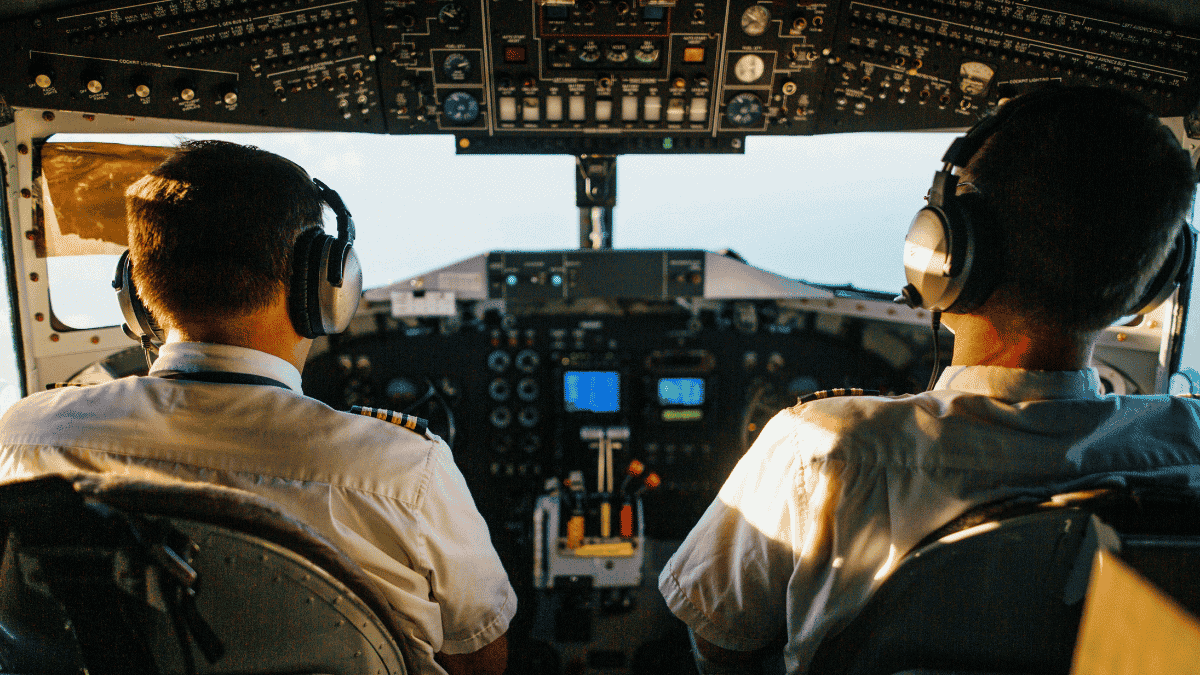
The same question appears in other professions. Modern aircraft rely heavily on automation, yet aviation has spent decades considering what happens when pilots are suddenly required to intervene in rare situations. Software developers are increasingly using AI coding tools, creating similar questions about how future engineers build deep technical understanding if parts of the problem-solving process are routinely handled for them.
What makes the issue interesting is that none of these examples are really about technology. They are about learning.
Expertise is often thought of as knowledge, but knowledge alone rarely creates an expert. Expertise is built through repetition, pattern recognition, judgement and experience. People become highly skilled because they repeatedly encounter problems, make decisions, learn from mistakes and gradually develop an understanding that is difficult to teach directly. If AI changes the nature of those experiences, it may also change how expertise develops.
That does not mean organisations should avoid using the technology. In many situations the benefits are clear. AI can help stretched professionals manage larger workloads, improve consistency and free up time for more complex work. Few organisations would choose inefficiency simply to preserve traditional ways of working. The challenge is understanding what might be lost alongside what is gained.
As AI becomes embedded within more professions, organisations may need to think carefully about which activities can safely be delegated and which continue to play an important role in developing human expertise. The goal may not be keeping people involved because the technology is incapable. It may be keeping people involved because expertise itself requires practice.
The future of work may involve more than deciding what AI should do. It may also involve deciding which skills humans need to keep exercising, even when technology could do the task for them.
Image sources
- pilots-1200: ©Kelly from Pexels via Canva.com