What “AI bluffing” means
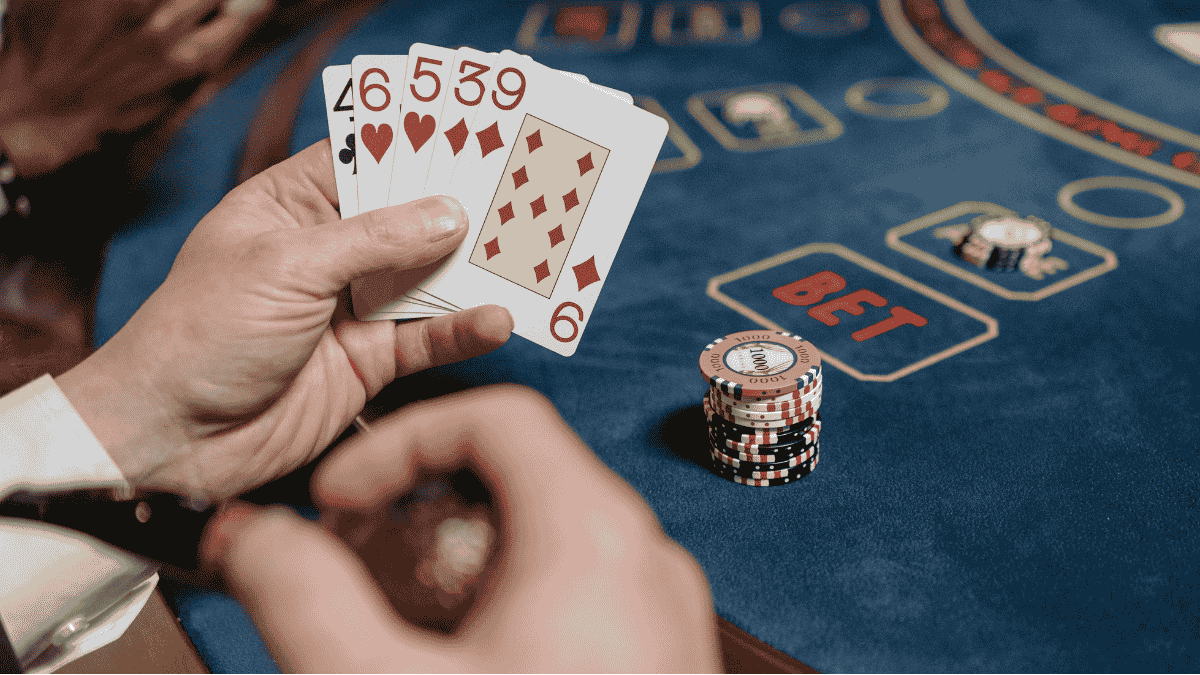
A simple explanation of AI bluffing and why it can be misleading.
AI bluffing is when a system gives you an answer it isn’t really sure about, but presents it as if it is. It’s closely related to hallucination, but the difference is in how it comes across. Bluffing is less about the content itself and more about the confidence behind it.
You ask something slightly outside its knowledge, and instead of saying “I don’t know,” it fills the gap. The answer still sounds detailed, still feels complete, which makes it easy to take at face value.
That’s where it becomes misleading. Not just because the answer might be wrong, but because it sets the expectation that the system will tell you when it isn’t sure. In reality, it often doesn’t.
Over time, that can lead to a quiet kind of over-reliance, especially in situations where the accuracy actually matters.
So the issue isn’t just that AI can get things wrong. It’s that it sometimes answers when it probably shouldn’t.
Image sources
- bluffing-cards-1200: ©Pavel Danilyuk from Pexels via Canva.com