Human Judgement Still Matters

One of the themes that keeps emerging through conversations about AI is that, despite the pace of technological change, human judgement remains critical.
Much of the public discussion focuses on what AI can do. It can analyse information, identify patterns, process vast amounts of data and generate recommendations in seconds. Every new model seems to arrive with fresh examples of tasks that can now be automated or accelerated.
Yet the more people I speak to, the less the conversation centres on replacing human decision-making and the more it focuses on supporting it.
During a recent conversation, Rob Clarke from Elev-8 Performance put it simply:
// “Use AI well. Experiment safely. Apply judgement. But you’re in charge.”
It’s a deceptively simple observation. The challenge facing organisations is not deciding whether to use AI, but understanding where responsibility sits once they do. Technology can assist. It can advise. It can highlight possibilities that might otherwise be missed. But accountability does not disappear simply because an algorithm was involved.
That question becomes even more important when organisations begin thinking about adoption. Carolyn Jardmore from Cream Consulting recently challenged one of the most common assumptions surrounding AI transformation.
// “It is quite dangerous to think about it as a technology transformation project. It needs to be more embedded as a people and culture project.”
The observation feels increasingly relevant. Organisations can purchase tools, establish governance frameworks and deploy new technology relatively quickly. Building trust, confidence and good judgement takes much longer. Successful adoption depends not only on what the technology can do, but on whether people understand how to use it, when to question it and where its limitations lie.
The same principle applies even in environments where AI is being used to assess evidence and identify risk. Discussing digital verification, Brian Feeney from AI-XON explained that:
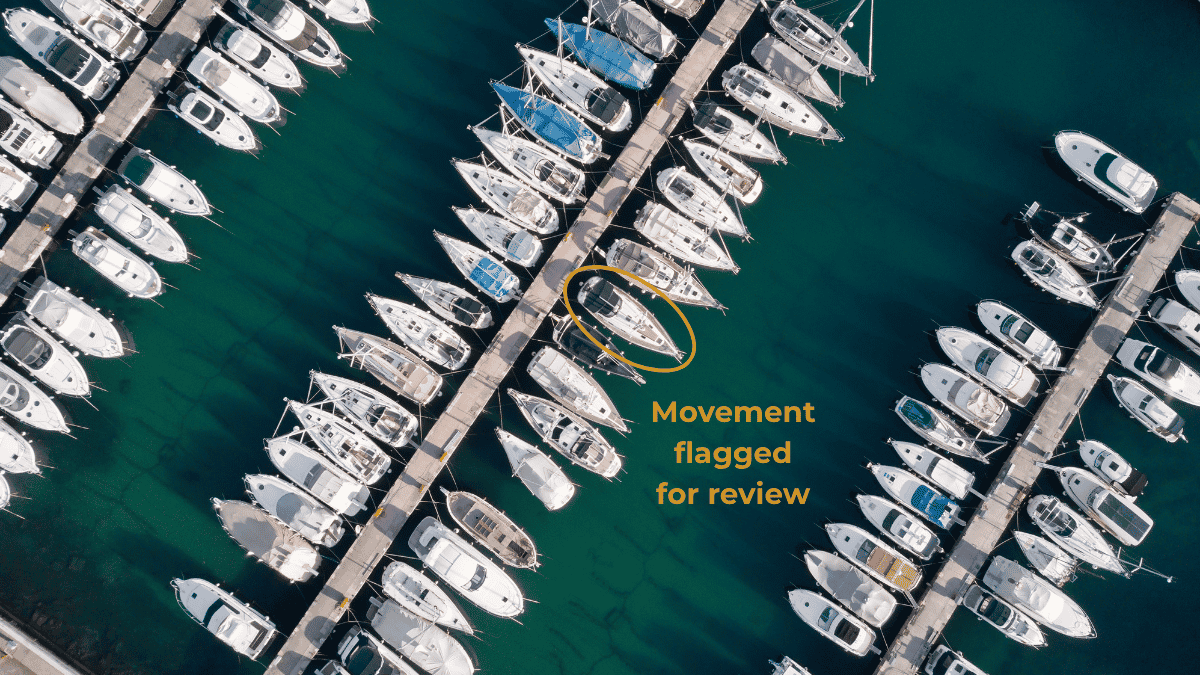
// “We are 98% confident… We don’t say this is X. We give AI’s perspective. The human remains in the driver’s seat.”
That distinction feels important.
AI can process information, identify patterns and generate recommendations at a scale that would be difficult for people alone. What it cannot do is assume responsibility for the decisions that follow. That responsibility remains with the individuals and organisations choosing how to use the technology.
As organisations continue to experiment with AI, perhaps the most important question is not what the technology can do, but how people work alongside it. The most successful applications are often those that combine the strengths of both; technology providing additional insight while people continue to apply judgement, context and experience.
The technology may provide the perspective. The decision remains human.
Image sources
- playing chess-1200: ©Karola G from Pexels via Canva.com