How AI Is Helping Catch Boat Thieves
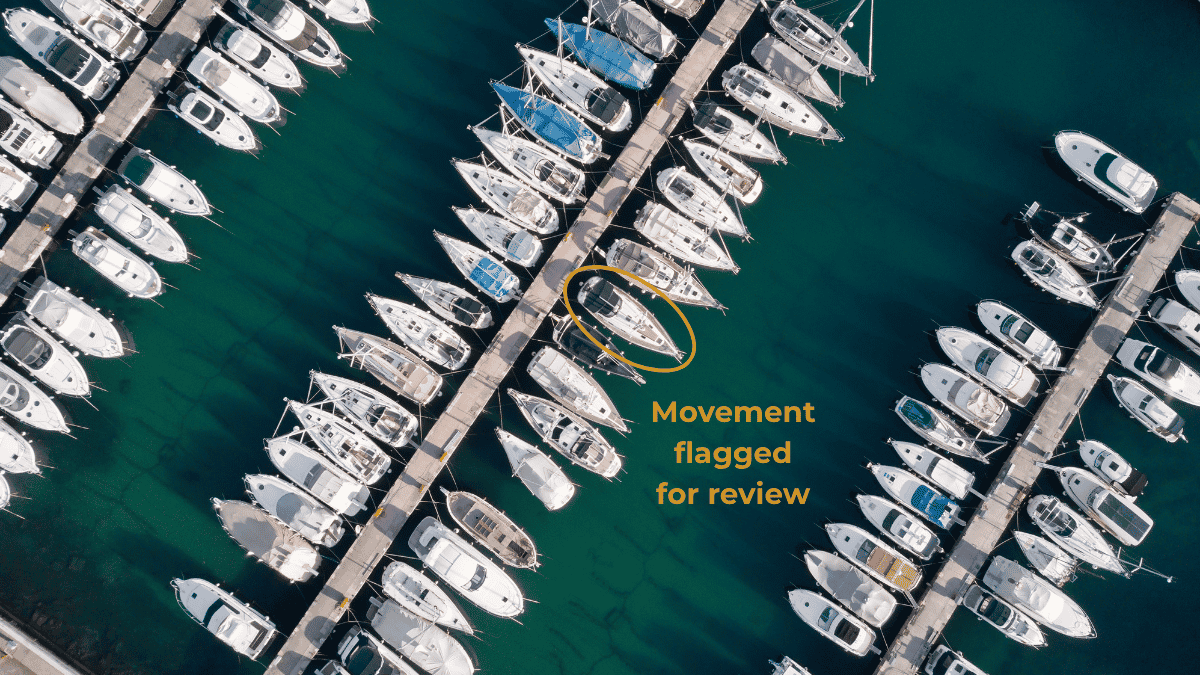
AI is now being used to help catch boat thieves in places like Poole. It’s not a futuristic concept or a pilot hidden away in a lab. It’s being applied to a very real, very local problem. Boats are being stolen, and systems are being used to monitor activity across marinas, flag unusual behaviour, and alert people more quickly when something does not look right.
In practice, this often means combining multiple types of data. Cameras track movement around docks, sensors monitor when boats are accessed or moved, and software looks for patterns that fall outside what is considered normal. A boat leaving at an unusual time, repeated activity around the same vessel, or movement that does not match typical usage can all trigger alerts.
None of this is especially dramatic on its own. But it changes the speed and scale at which suspicious activity can be identified. Instead of relying entirely on someone spotting something in real time, the system is continuously scanning for signals that might otherwise be missed.
What makes this interesting is how ordinary it feels.
There is no major launch moment or obvious technological spectacle. Just a practical use of AI being folded into the background of an existing system.
That is often where the technology starts to matter most. Not necessarily when it is presented as revolutionary, but when it quietly improves how something functions. Recognising movement that does not fit expected patterns. Connecting signals across locations. Noticing activity that would be difficult to track manually over time.
It is also slightly unexpected. AI is often associated with chatbots, content generation, or large digital platforms. Seeing it used to monitor marinas and help prevent boat theft shifts that perception. It becomes less tied to a specific industry and more like a layer that can sit across many different environments wherever patterns, movement, or behaviour can be analysed.
In that sense, the story is not really about boats. It is about how AI starts embedding itself into existing systems, often without much visibility.
And that raises a different kind of question. If AI becomes part of the infrastructure around us, how often will people notice it at all?
Image sources
- marina-1200: ©vuk8691 from Getty Images Signature via Canva.com