When The Artist Isn’t Human
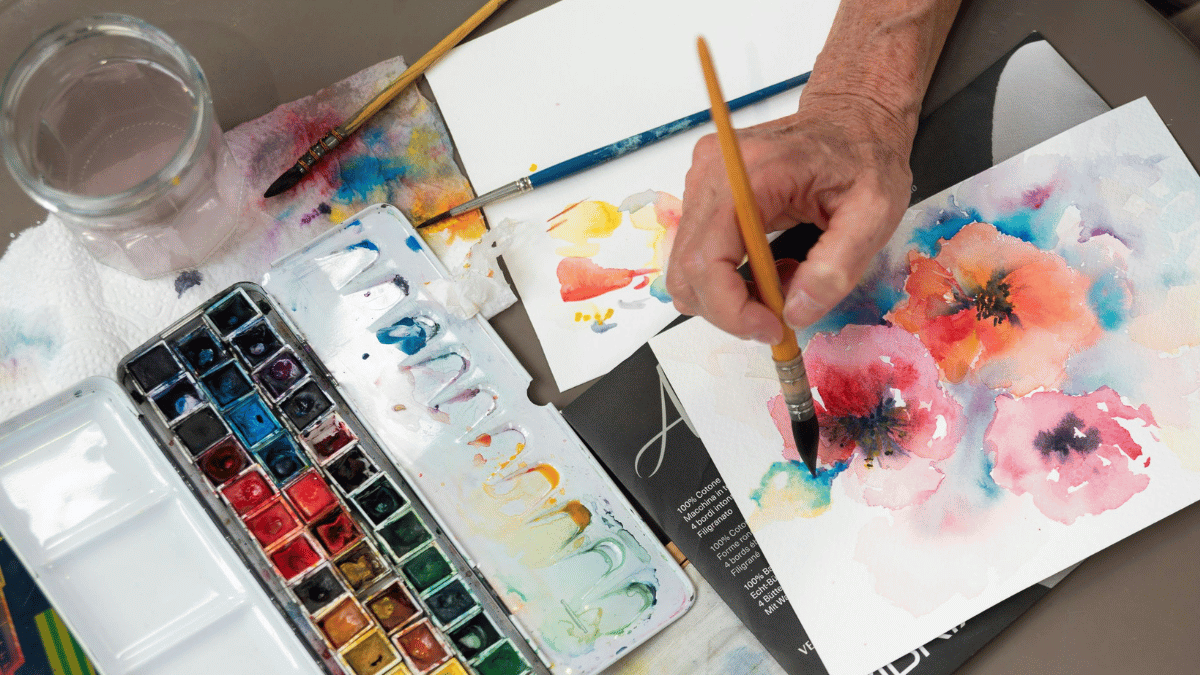
Artificial intelligence has become increasingly common in creative tools, helping people generate images, edit photographs and produce artwork from simple text prompts.
Ai-Da takes that idea a step further.
Created by a team of artists, engineers and AI researchers, Ai-Da is a humanoid robot designed to produce drawings, paintings and sculptures using artificial intelligence, computer vision and robotic arms. Rather than generating images on a computer screen, the robot physically creates artwork using traditional artistic materials.
Since being unveiled in 2019, Ai-Da’s work has been exhibited internationally, attracting attention not only for the technology behind it but also for what it represents. Galleries, museums and cultural institutions have displayed her work alongside discussions about creativity, authorship and the growing role of artificial intelligence in the arts.
In many ways, the exhibitions are as significant as the artwork itself.
For centuries, galleries have largely existed to showcase human creativity. Ai-Da challenges that assumption by placing machine-generated work in the same spaces traditionally reserved for human artists. The discussion quickly moves beyond whether the paintings are aesthetically successful and towards broader questions about originality, authorship and the role AI might play in future creative industries.
The project also highlights an important distinction that is sometimes lost in discussions about AI art. Ai-Da is not an autonomous artist working in isolation. The robot is the product of designers, engineers, software developers and curators who collectively shaped how the system works and how the artwork is presented. The creative process is therefore shared between human expertise and artificial intelligence rather than belonging entirely to one or the other.
Whether Ai-Da should be considered an artist remains open to debate.
What seems less controversial is that projects like this are changing where AI appears. It is no longer confined to research laboratories or digital tools. Increasingly, it is becoming part of galleries, exhibitions and cultural conversations, challenging long-held assumptions about creativity and who—or what—we consider capable of producing it.
Image sources
- artwork creative-1200: ©jordan besson from Pexels via Canva.com