The 20,000 Edits Behind An AI Play
Artificial intelligence has helped create a new play in the style of the 17th-century playwright Molière. At first glance, it sounds like another story about AI replacing human creativity. Look a little closer, however, and it reveals something quite different.
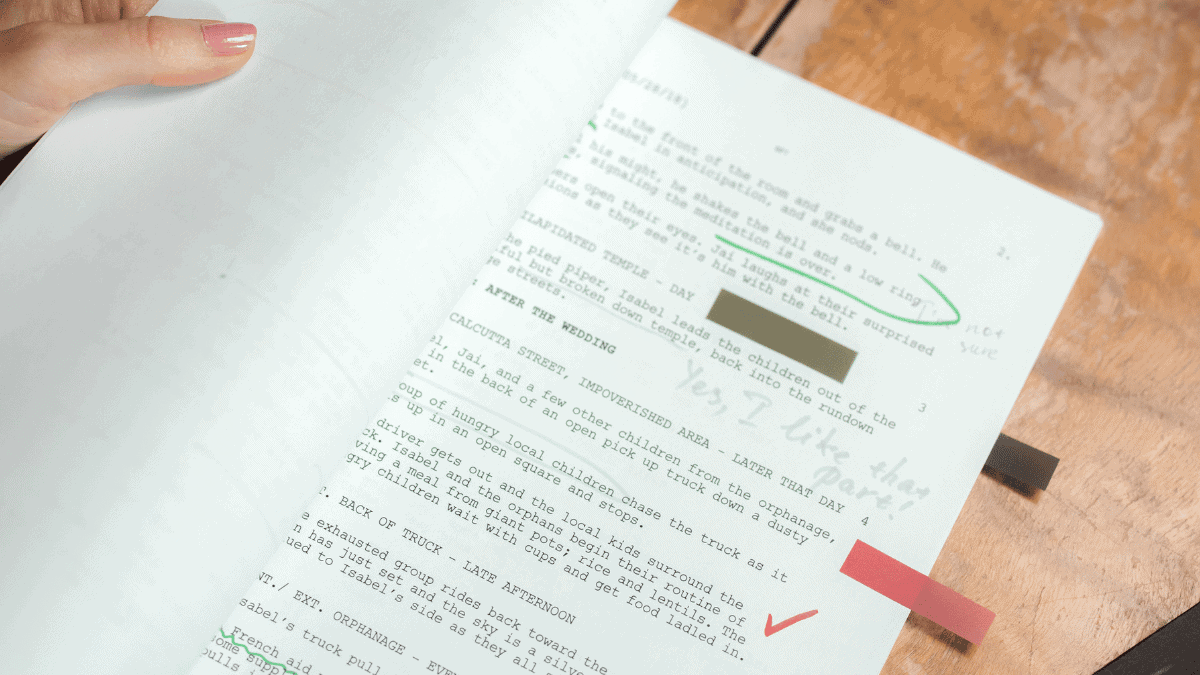
The project brought together AI with historians, linguists and theatre experts to develop a new work inspired by Molière’s writing. Rather than asking AI to generate a script and declaring it finished, the team reportedly spent years refining the result through around 20,000 rounds of human feedback and revision before it reached the stage.
That number is perhaps the most interesting part of the story.
Discussions about AI often focus on what the technology can produce. This project highlights something else entirely. Generating ideas was only one part of the process. The much larger task involved reviewing, questioning, refining and deciding what deserved to remain. Every revision reflected human judgement rather than automated creativity.
In that sense, the work did not disappear. It changed.
Instead of starting with a blank page, the creative team spent their time shaping what the AI produced. Their expertise lay not in writing every line from scratch, but in recognising which ideas captured the tone, rhythm and style they were trying to recreate.
That pattern is beginning to emerge well beyond theatre. As AI becomes part of more creative workflows, people are increasingly taking on the role of editor, curator and critic. The technology can generate possibilities, but deciding which ones have value remains a deeply human task.
The story of this play is not simply that AI helped write something new in the style of Molière. It is that recreating the voice of one of history’s greatest playwrights still required thousands of human decisions before anyone was willing to perform the result.
Image sources
- theatre script-1200: ©Ron Lach from Pexels via Canva.com