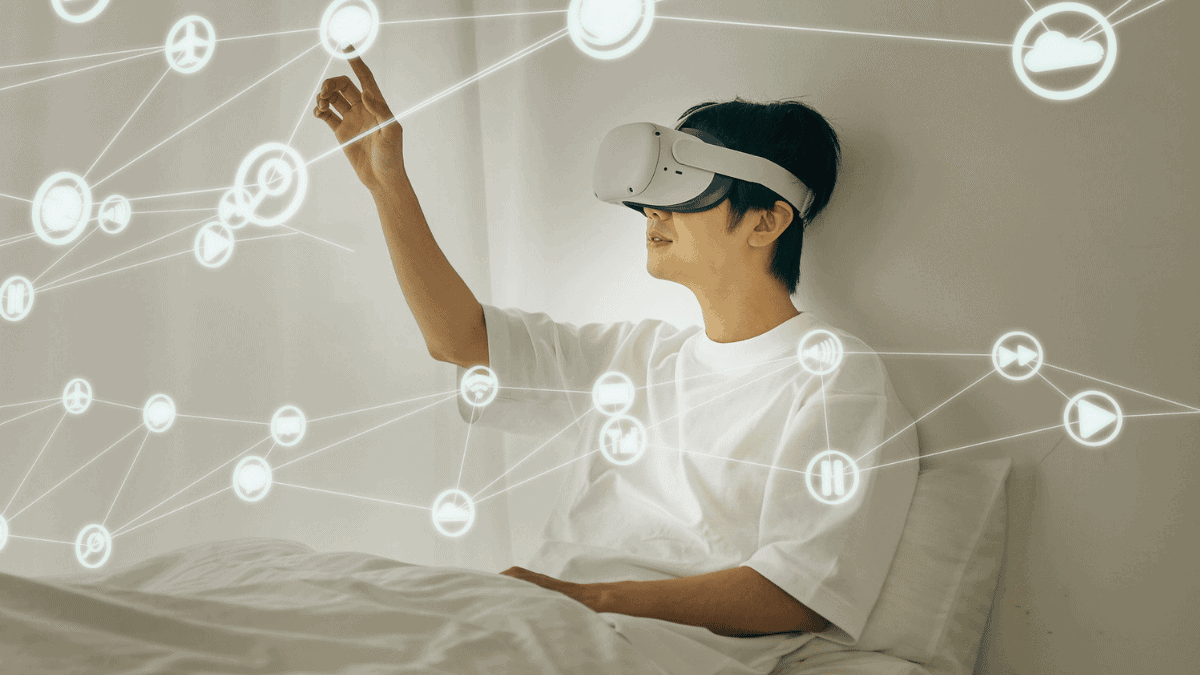
Should AI be part of childhood?
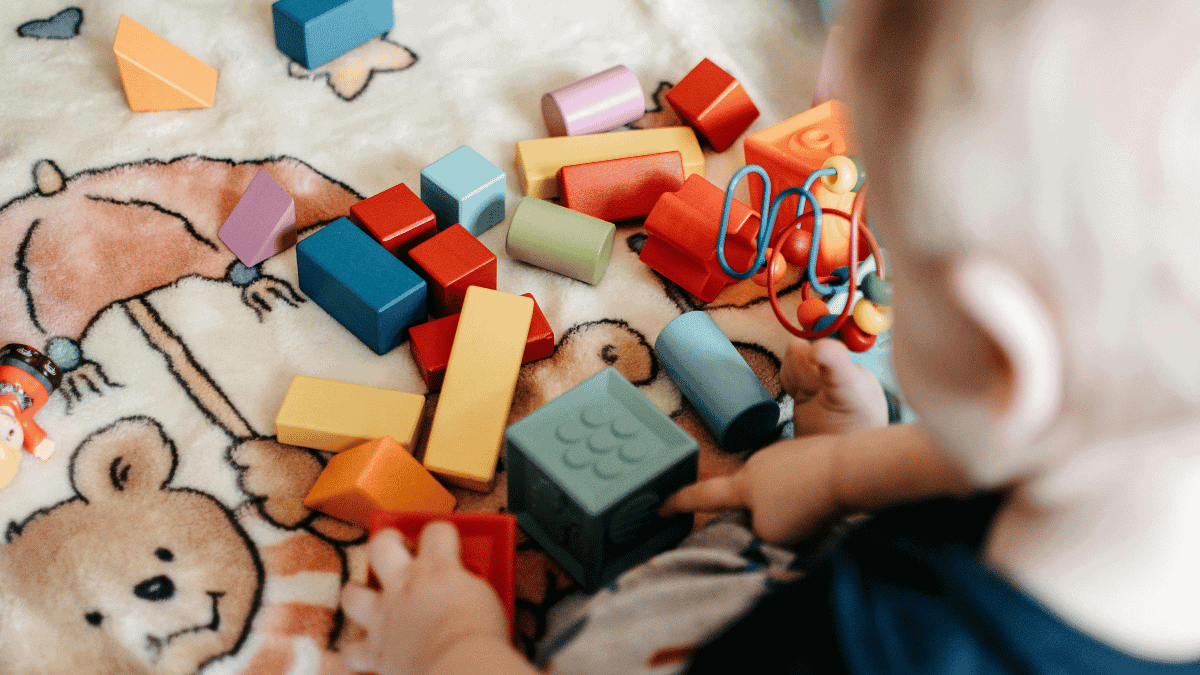
AI is gradually becoming part of how children play, learn, remember, and interact with the world around them.
From talking toys to generated memories, AI is starting to shape how children experience the world
For years, conversations about AI focused largely on adults. Productivity. Jobs. Misinformation. Regulation. But increasingly, AI is beginning to appear in childhood too. Not always in dramatic ways, but through toys, apps, entertainment, education, and even memory itself.
Often, these changes arrive wrapped in convenience or creativity. A smarter learning tool. A personalised experience. A way to bring imagination to life.
But as AI becomes more embedded in everyday life, it also raises a broader question about what kind of environment children are growing up in, and how technology may start to influence imagination, learning, and emotional development in ways that are subtle rather than obvious.
When imagination becomes something you can hold
Sometimes, it looks playful.
Companies are now using AI to turn children’s drawings into physical toys. A wonky purple dinosaur becomes a polished 3D plush delivered to the front door days later. It is easy to see the appeal. Something imagined becomes real almost instantly.
But even in small moments like this, the experience of imagination starts to shift.
Part of childhood has always involved interpretation. The gap between what is drawn and what is imagined. The unfinished quality of things. The freedom to see more in them than what physically exists. When AI fills in those gaps automatically, something subtly changes. Imagination becomes less open-ended and more resolved.
When memory becomes something you can generate
AI is also starting to shape how people relate to memory. There is a growing trend of people using AI to:
- recreate childhood moments
- generate videos of loved ones
- animate old photographs
- fill in memories that were never recorded
Sometimes it can feel comforting. A way to preserve moments that might otherwise fade with time. But it can also feel slightly unsettling.
Because memory has traditionally been imperfect. Fragile. Human.
AI changes that relationship by making it possible to generate versions of the past that feel emotionally real, even when they were never fully real to begin with.
And that raises a more difficult question. Does this help us remember more clearly, or does it slowly begin to reshape what we believe we remember in the first place?
When guidance becomes constant
AI is also starting to shape how children are guided, corrected, and encouraged as they learn.
Some apps can now use phone cameras to:
- track movement
- suggest corrections in real time
- monitor progress continuously
The idea of guidance, once largely human, is becoming something automated, persistent, and always present.
That changes the experience of learning, even in subtle ways. Not necessarily because the feedback is wrong, but because childhood has traditionally included space for uncertainty, experimentation, boredom, and mistakes without constant optimisation.
AI introduces the possibility that childhood itself becomes more continuously measured, monitored, and optimised.
Where policy starts to catch up
All of this sits within a wider shift.
Governments are increasingly treating AI as something foundational rather than experimental. In the US and elsewhere, new frameworks are emerging that attempt to balance innovation with concerns around safety, copyright, and the role AI may play in children’s lives.
The details are still evolving, but the direction feels increasingly clear. AI is no longer peripheral. It is becoming part of the environment children grow up in.
So what role should it play?
Which brings the question back into focus.
Not whether AI should exist around children. It already does. But what role it should play? Is it a tool that supports creativity and learning? Or something that quietly reshapes how children imagine, remember, develop, and interact with the world?
The answer is unlikely to be simple. Because childhood has always involved a balance between structure and freedom, guidance and discovery, safety and independence.
And AI, depending on how it is designed and introduced, has the potential to influence all of them.
Image sources
- child toys-1200: ©Lisa from Pexels from Pexels via Canva.com