Can AI Give A Milk Bottle Another Life?
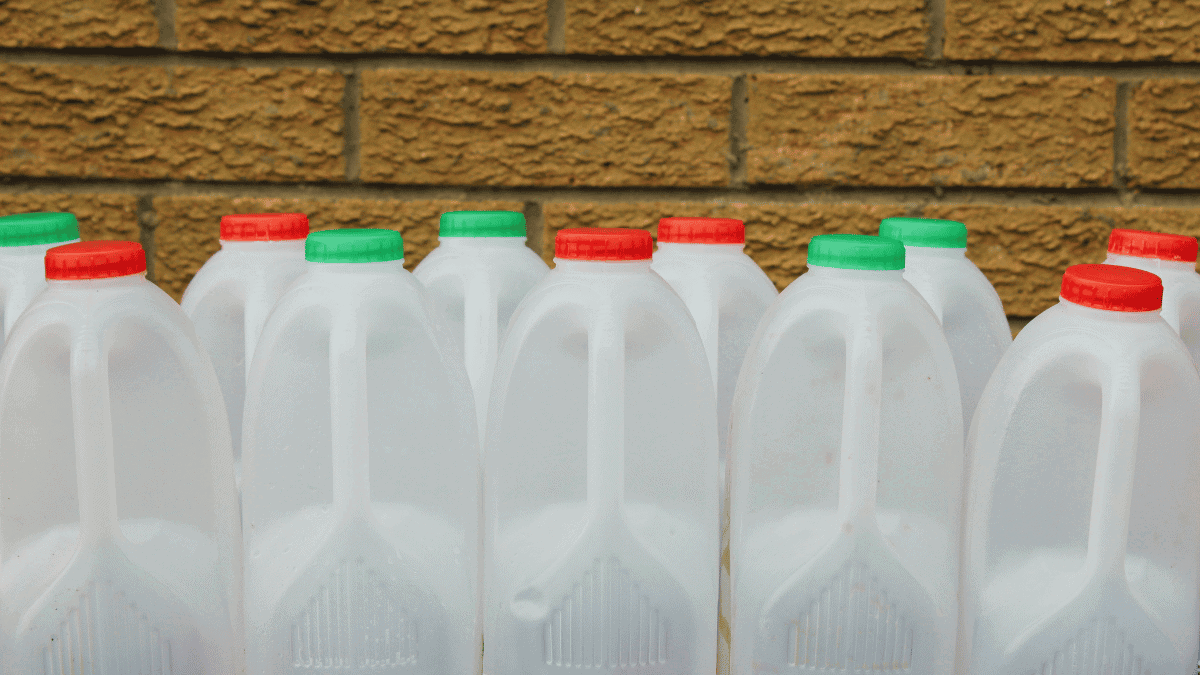
Most of us probably don’t give much thought to what happens after we put an empty milk bottle in the recycling. We assume it will be sorted, processed and turned into something else, but getting plastic back into a form that can safely be used again is considerably more complicated than simply collecting it.
At Biffa’s recycling plant in Redcar, AI is being used as part of a process that can turn old plastic packaging back into material suitable for new food packaging. That means the milk bottle you put in your recycling could eventually find its way back to somebody else’s fridge as another milk bottle.
It’s a good example of AI being used somewhere most of us would never see it, helping with one of the less visible challenges of recycling: working out exactly what can be reused and keeping as much of that material in circulation as possible.
Keeping Plastic In The Loop
By the time plastic reaches this stage of the recycling process, it doesn’t necessarily look much like the packaging we originally bought. Bottles have been crushed and flattened, labels and lids may still be attached, and huge amounts of material need to be identified and separated before any of it can be reused.
Optical and infrared scanners work alongside AI image analysis to help identify the different plastics moving through the plant, including the high-density polyethylene used to make milk bottles. Once the right material has been separated, it goes through several stages of shredding, washing and further sorting before eventually being turned into small pellets that manufacturers can use to make new packaging.
Over almost 20 years, the plant has processed the equivalent of more than 10 billion plastic milk bottles. The interesting part isn’t simply the amount being recycled, though, but what happens to the plastic afterwards.
Keeping material at a high enough quality to be used for food packaging means an old milk bottle can potentially become another milk bottle, rather than the plastic being used for something entirely different. Better identification and sorting can help more of the right material stay within that loop.
Back In The Fridge
According to the company, a bottle recycled in the UK could potentially go through the process and return to somebody’s fridge as new packaging within two weeks.
AI is only one part of that journey, with people still involved throughout the process and particularly in checking the quality of the material being produced. Its role is much more specific: helping identify what is travelling along the conveyor belts so that useful plastic has a better chance of ending up in the right place.
That’s what makes this such an interesting example of AI in practice. The technology isn’t being used to create more stuff; it’s helping us get more use from something we’ve already made.
Image sources
- plastic milk bottle-1200: ©bluebudgie from pixabay via Canva.com
