Before AI, There Was CGI
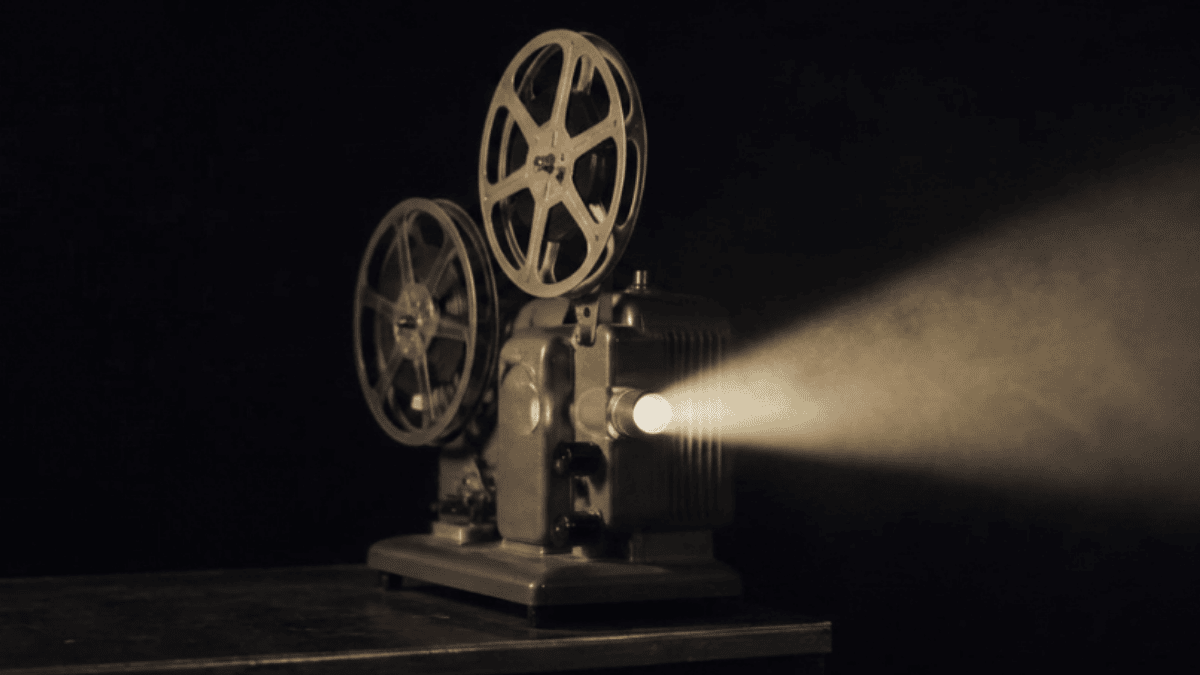
Long before people questioned whether an image had been created by AI, another technology was changing what audiences believed was possible.
Computer-generated imagery transformed film and television. Dinosaurs roamed the earth, superheroes flew through cities and entire worlds appeared on screen that had never existed. Audiences happily suspended their disbelief because they knew they were watching fiction, but CGI fundamentally changed what technology could create.
Then those capabilities began moving closer to everyday life.
Image editing software like Photoshop brought digital manipulation beyond Hollywood. It transformed photography, advertising and eventually social media. Before long, “It’s Photoshopped” became part of everyday language, a simple explanation whenever an image looked too perfect to be true.
Today, we’ve started using different words.
Instead of asking, “Is it Photoshopped?”, many people now ask, “Is it AI?”
That small shift in language reflects something much bigger.
Every generation seems to adopt a new shorthand for technology that blurs the line between what’s real and what isn’t. CGI changed our expectations of film. Photoshop changed our expectations of photography. AI is now changing our expectations of almost every type of digital content, from images and videos to music, writing and even conversations.
The difference isn’t simply that AI is more capable than the technologies that came before it. It’s that those capabilities are no longer confined to film studios or professional designers. What once required specialist software, technical expertise or significant budgets can increasingly be achieved in seconds through tools that millions of people have access to.
That accessibility is arguably the biggest shift. The challenge has never simply been whether technology can create something convincing. Society has been adapting to that question for decades. What AI changes is the scale and the speed at which those capabilities are becoming part of everyday life.
Perhaps that’s why our language has changed so quickly. Saying “It’s AI” isn’t just describing a technology. It’s a reflection of how rapidly our expectations have evolved, and another reminder that every breakthrough forces us to rethink what we see, what we believe and, ultimately, what we choose to trust.
Image sources
- film projector-1200: ©via Canva.com