From Fan Fiction To Tarot Readings: The AI Uses Nobody Predicted
If you were asked to guess the fastest-growing uses of artificial intelligence, you might expect answers such as coding, data analysis or workplace productivity.
After all, much of the conversation around AI has focused on how organisations can work more efficiently, automate routine tasks and improve decision-making.
Yet a recent analysis of more than 12,000 real-world AI use cases suggests some of the fastest-growing applications have little to do with work at all. Among the emerging use cases were AI-generated reality television, fan fiction, role-playing experiences and even AI-powered tarot readings.
At first glance, the list feels surprising. These are not the examples typically highlighted in boardroom discussions, investor presentations or technology strategies. Yet they may reveal something important about what happens when a technology begins to move beyond specialist users and into everyday life.
Beyond The Workplace
For the past two years, much of the attention surrounding AI has centred on business transformation. Organisations have explored how AI might improve customer service, support software development, automate administrative tasks or help employees work more effectively.
Those conversations remain important, but they can sometimes create the impression that AI is primarily a workplace technology.
The findings suggest something different. Increasingly, people appear to be using AI in the same way they use other forms of technology: to entertain themselves, explore their interests and experiment with new ideas.
This is not unusual. Many technologies initially gain attention because of their practical applications before becoming woven into everyday life. The internet transformed business, but it also changed how people communicate, shop, learn and spend their leisure time. Smartphones became powerful productivity tools, but they also became cameras, gaming devices and entertainment platforms. Artificial intelligence may be following a similar path.
Entertainment For An Audience Of One
Perhaps the most intriguing examples are those centred on creativity and entertainment.
Traditional entertainment is designed for large audiences. Producers create programmes they hope millions of people will watch, while authors write stories intended to appeal to thousands of readers. Success depends on creating something broad enough to attract significant numbers of people. AI changes that dynamic.
Instead of consuming content designed for everyone, individuals can create content tailored specifically to themselves. A user might generate fictional contestants for a reality show, invent storylines, explore alternative endings to a favourite book or create entirely new role-playing scenarios based on their own interests.
The result is a form of entertainment that is highly personalised and potentially unique to each individual. Rather than simply consuming content created by others, people can increasingly participate in shaping it themselves.
Familiar Behaviours In New Forms
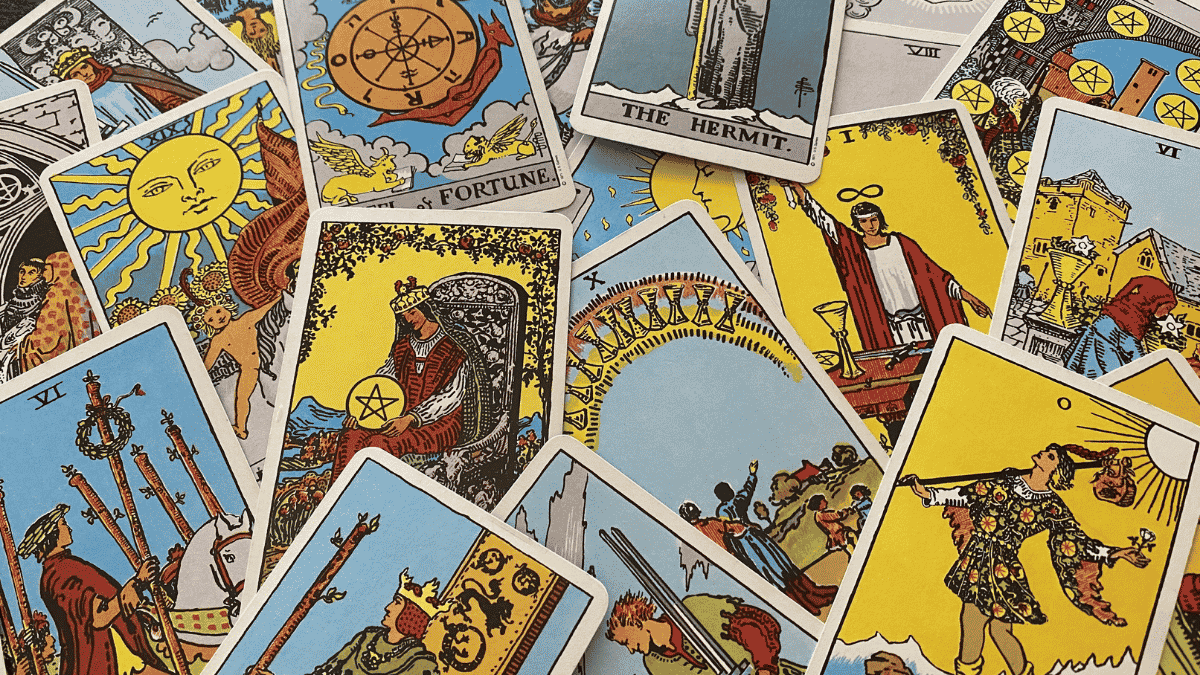
The appearance of AI tarot readings on the list may seem more surprising. Tarot cards, horoscopes and personality tests have existed long before artificial intelligence. While many people view them as entertainment, others use them as prompts for reflection, helping them think through decisions, concerns or uncertainties. Seen in that context, AI tarot readings may not be as unusual as they first appear.
The appeal is unlikely to be about accurately predicting the future. Instead, it may reflect something much more familiar: the human desire to make sense of uncertainty, explore possibilities and consider different perspectives. AI simply provides another medium through which that process can take place.
The technology may be new, but the underlying behaviour is not.
What This Tells Us About AI
The most interesting aspect of these findings may not be the specific use cases themselves. Few people predicted that AI-generated reality television, fan fiction or digital tarot readings would become part of the broader AI conversation. Yet technologies rarely evolve exactly as expected. Once tools become widely available, people begin adapting them to suit their own interests, hobbies and routines. That is what makes the findings interesting.
Much of the discussion around AI still focuses on productivity, efficiency and business transformation. Yet many people appear to be using the technology for something much simpler: entertainment, creativity and personal exploration.
Whether those use cases remain niche or become mainstream remains to be seen. What they do highlight is how quickly people find unexpected ways to use new technologies once they become accessible.
Sometimes the most revealing AI stories are not about what developers intended. They are about what people decide to do with the technology once it reaches the real world.
Image sources
- tarot cards-1200: ©keithgonzalez from pixabay via Canva.com