AI That Helps People Navigate, Step by Step
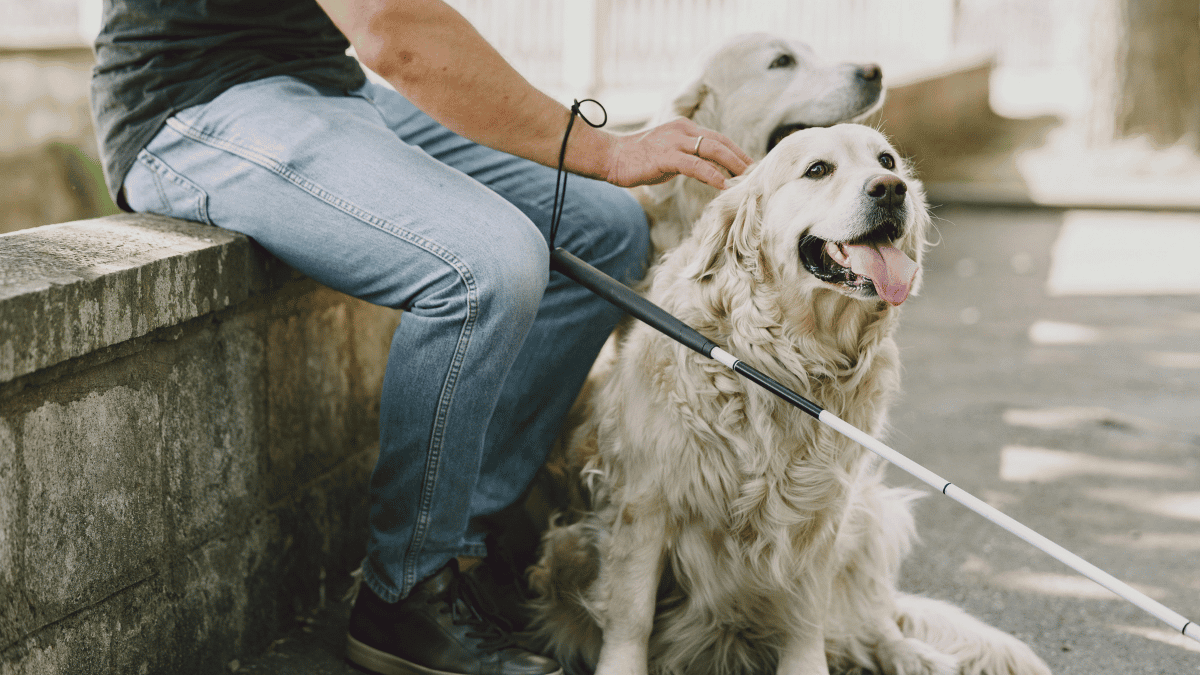
Researchers are developing a robotic guide dog designed to help visually impaired people move through the world more independently. It can navigate surroundings, avoid obstacles, and guide users in real time while adapting as environments change.
On the surface, it sounds futuristic. But the more you think about it, the more practical it becomes.
Navigation is one of those challenges that is constant, physical, and unpredictable. Pavements change. Obstacles appear unexpectedly. Spaces become crowded. Routes shift. Having something that can continuously assess surroundings and respond in real time is not just impressive, it is genuinely useful.
This is AI being applied in a way that feels straightforward. No gimmick. No attempt to force unnecessary automation into everyday life. Just technology being used to solve a real problem.
It also highlights an area where AI can quietly excel. Not necessarily by replacing human connection, but by supporting independence. Giving someone more confidence to move through spaces on their own, without needing to rely as heavily on other people.
At the same time, it introduces a more delicate question. Guide dogs are not simply navigation tools. They are companions, highly trained, and deeply trusted. For many people, they are part of daily life in a way that goes far beyond functionality.
So where does something like a robotic guide dog fit?
It may not be about replacement at all. It may be about offering another option. Something that can complement existing support, expand accessibility, or help in situations where traditional guide dogs are not available.
Either way, it shows a version of AI that feels grounded in reality. Not trying to impress. Just trying to help.
Image sources
- guide dog-1200: ©Gustavo Fring from Pexels via Canva.com