AI mistakes at work are starting to add up
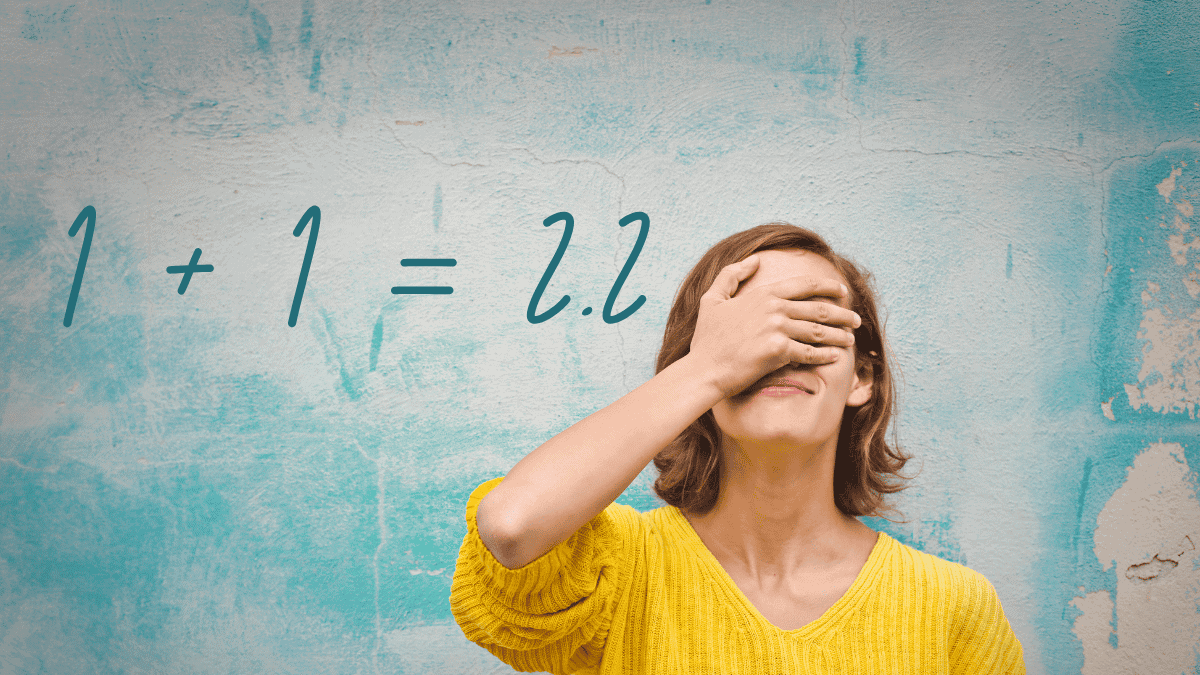
AI-generated workplace errors may cost a 10,000-person organisation around $9 million annually, according to research cited this week by the Harvard Business Review.
The phrase used in some reporting around the research was “workslop”.
It’s a horrible term. But also an instantly understandable one.
Because we are entering the next phase of workplace AI adoption: the point where businesses realise that mistakes at scale are still scale.
One slightly inaccurate email is usually harmless. One AI-generated summary with a missing detail is probably manageable. But 10,000 small inaccuracies, weak assumptions, duplicated tasks, half-correct summaries, or poorly interpreted outputs spread across a business every month? That stops being a tech issue and starts becoming operational drag.
The conversation around AI errors often focuses on hallucinations as if they are dramatic, obvious failures. But the more difficult problem may be the opposite: the errors that look believable enough to pass through unnoticed.
A confidently worded summary. A slightly incorrect recommendation. A customer response that sounds plausible but misses context. A report nobody double-checks because the system “usually gets it right”.
The risk is not simply that AI makes mistakes. It is that humans gradually stop spotting them.
We are already seeing early versions of this in practice. In customer service environments, for example, AI-generated summaries are helping reduce after-call admin time. But several organisations have also reported issues where summaries miss nuance, incorrectly frame customer sentiment, or omit details that later affect follow-up conversations. Individually, those errors may seem minor. At scale, they create rework, confusion, and reduced confidence in the systems employees are supposed to rely on.
And that creates a strange workplace dynamic where organisations can become simultaneously more automated and less certain about the quality of their own information.
That matters because most businesses do not fail because of one catastrophic AI error. They fail through accumulated friction: small inefficiencies, repeated misunderstandings, weak decisions, duplicated work, and declining trust in internal systems.
The challenge now is less about whether AI can produce work. It is whether organisations can still recognise good work once AI becomes part of the workflow.
And that may turn out to be a much harder problem to solve.
Image sources
- maths error-1200: ©Marisa9 from Getty Images Signature via Canva.com