What If AI Never Thinks Like Us?
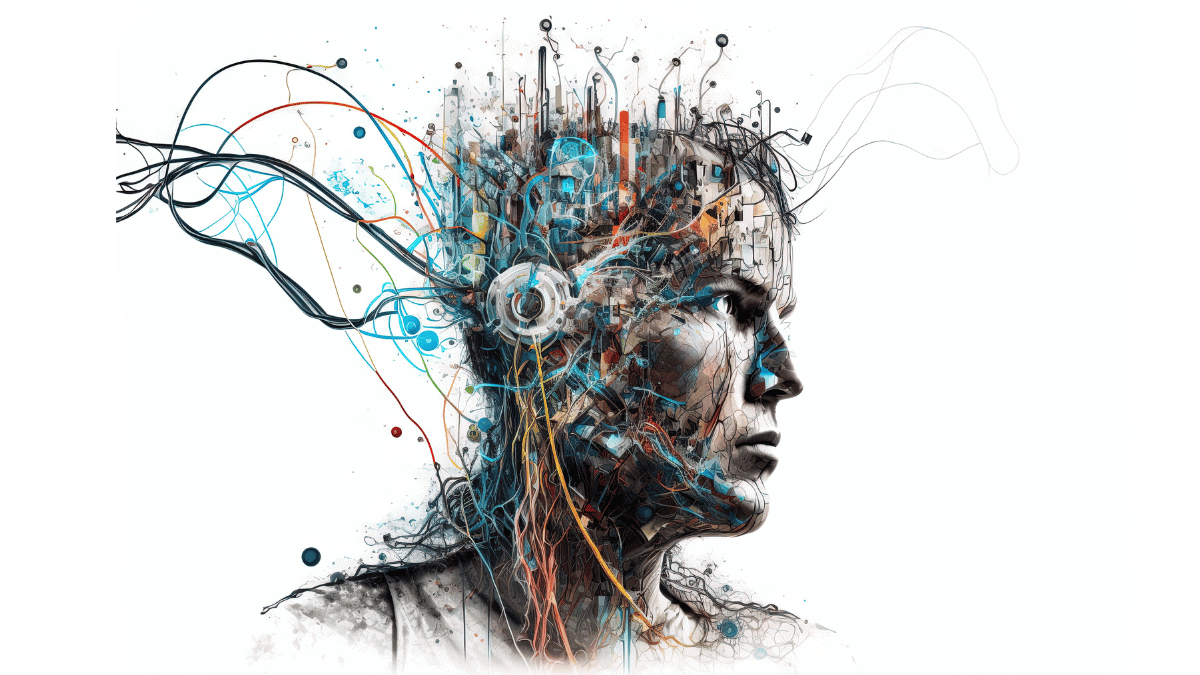
For decades, one of the biggest questions around artificial intelligence has been whether a machine could ever think like a human. Computer scientist Peter Denning argues that we may have spent all that time chasing the wrong goal.
In his new book, Turing’s Mistake: Escaping the Yoke of Unintelligent Machines, Denning questions an idea that stretches back to Alan Turing’s famous 1950 paper on machine intelligence. AI might keep getting more capable, he argues, without ever developing the common sense, intuition and experience that shape how people understand the world.
It’s an interesting distinction because we tend to talk about advances in AI as though they’re taking us steadily closer to human intelligence. Models get better at reasoning, conversations feel more natural and systems can take on increasingly complicated tasks, so it’s easy to imagine the gap gradually closing.
Denning’s argument suggests something different. What if the capabilities keep improving, but the gap never actually disappears?
Being Capable Isn’t The Same As Understanding
We can already see hints of this in the AI we use today. A model can produce an impressive answer without having experienced any of the things it’s talking about, and it can identify patterns across huge amounts of information without understanding them in the way a person would.
That doesn’t necessarily make the answer less useful. In fact, AI could become extraordinarily useful without ever needing to experience the world like us, which is where this stops being simply a philosophical argument.
The more capable these systems become, the easier it is to assume there’s human-like understanding behind what they’re doing. If something can talk to us naturally, respond to context and work through a difficult problem, we instinctively start to treat those abilities as signs that it understands more than it necessarily does.
For organisations using AI to help make decisions, that’s quite an important distinction. The question isn’t only whether a system can produce a good answer, but whether there are parts of the situation it simply can’t appreciate because it doesn’t share the experience or context a person brings to it.
What If Different Is Enough?
Maybe AI doesn’t need to become more like us to change the world. Its value could come from being able to do things differently, while people continue to bring the judgement, experience and understanding that machines struggle to replicate.
That would also change the way we think about the future of AI. Instead of waiting for some point when machines finally cross over into something resembling human intelligence, we may need to get much better at understanding the strengths and limitations of something that remains distinctly different from us.
AI may become vastly more capable from here without ever thinking the way we do. If Denning is right, the interesting question isn’t when machines become like us, but what happens if they never do.
Image sources
- thinking robot-1200: ©DeltaWorks from pixabay via Canva.com