The Invisible Work AI Is Starting To Do
When people talk about artificial intelligence, the examples are often dramatic. AI writes code, generates images, analyses vast amounts of data and helps organisations automate complex processes. Yet some of the most significant uses of AI may be far less visible.
Recently, a mother attracted attention online after claiming she had outsourced “97% of her mental load” to ChatGPT. The figure itself is impossible to verify and was almost certainly not intended as a precise measurement. But the reaction to the claim revealed something interesting. Many people immediately understood what she meant.
Not because AI was raising her children or making important parenting decisions, but because it was helping manage something that often goes unnoticed: the endless stream of planning, organising, remembering and coordinating that fills everyday life. The interesting question is not whether AI can help with parenting. It is what kinds of thinking people are choosing to hand over.
The Work Nobody Sees
When people talk about household responsibilities, they often focus on visible tasks such as preparing meals, doing laundry, driving children to activities or shopping for groceries. Yet many people would argue that the most exhausting part is not doing those things. It is remembering that they need to be done in the first place.
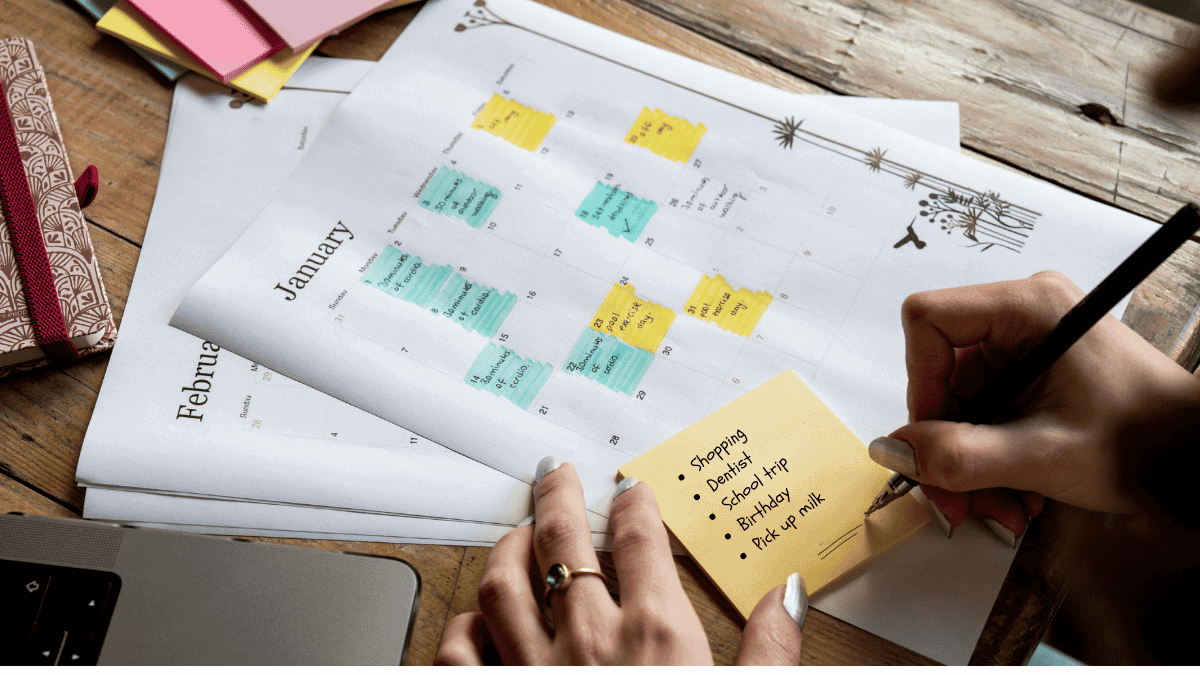
Someone has to remember the nursery trip next Thursday, notice that there are no packed lunch ingredients left, think about birthday presents, book appointments, organise family schedules and work out what is for dinner three nights from now. These decisions may seem small when viewed individually, but together they create a constant stream of background thinking that occupies time and attention.
This work is often described as mental load. Unlike physical tasks, it rarely appears on a to-do list and often goes unnoticed until something is forgotten. Instead, it exists as a continuous process of anticipation, planning and coordination. For many households, that invisible work can feel more draining than the visible tasks themselves.
From Information To Organisation
For years, discussions about AI have focused on knowledge and information. Can AI answer questions? Can it write reports? Can it explain complex topics? Increasingly, however, people are using AI for something different. Rather than asking it for facts, they are asking it to help organise their lives.
Meal planning has become a common example. Instead of deciding what to cook every evening, people ask AI to create weekly meal plans based on dietary requirements, budgets or the contents of their fridge. Others use it to create shopping lists, plan holidays, organise family schedules or break large projects into manageable steps.
Individually, these activities may seem relatively minor. Collectively, however, they represent something more significant. AI is not simply providing information. It is helping people manage the cognitive effort required to organise everyday life.
A Different Kind Of Automation
When automation is discussed, the focus is often on replacing physical or repetitive work. Factories automate manufacturing processes, software automates administrative tasks and organisations automate customer service interactions. The automation taking place in many households looks quite different.
Most people still need to buy the groceries, cook the meals and attend the appointments. The tasks themselves have not disappeared. What changes is the amount of mental effort required to plan and coordinate them. In that sense, AI is automating parts of the thinking process rather than the activity itself.
The shopping still happens, the meals still need cooking, the school run still needs doing. What AI can reduce is the effort involved in deciding what needs to happen and when. Rather than replacing people, it can act as a support system for managing complexity.
Cognitive Offloading At Home
This idea connects closely to a broader concept known as cognitive offloading. People have always used tools to reduce the burden on memory and attention. Calendars help us remember appointments, shopping lists help us avoid forgetting items and satnavs reduce the need to memorise routes.
AI can be viewed as an extension of the same pattern. Instead of simply storing information, it can actively help organise, prioritise and structure it. It can suggest options, identify gaps and create plans that would otherwise require time and mental effort.
The underlying behaviour is not new. What is changing is the range of tasks that can now be supported. As AI systems become more capable, people are beginning to use them not just as information tools, but as assistants for managing the complexity of modern life.
Image sources
- date planner-1200: ©Ahmed from Pexels via Canva.com