AI Can Spot Potholes. That’s Not the Hard Part.
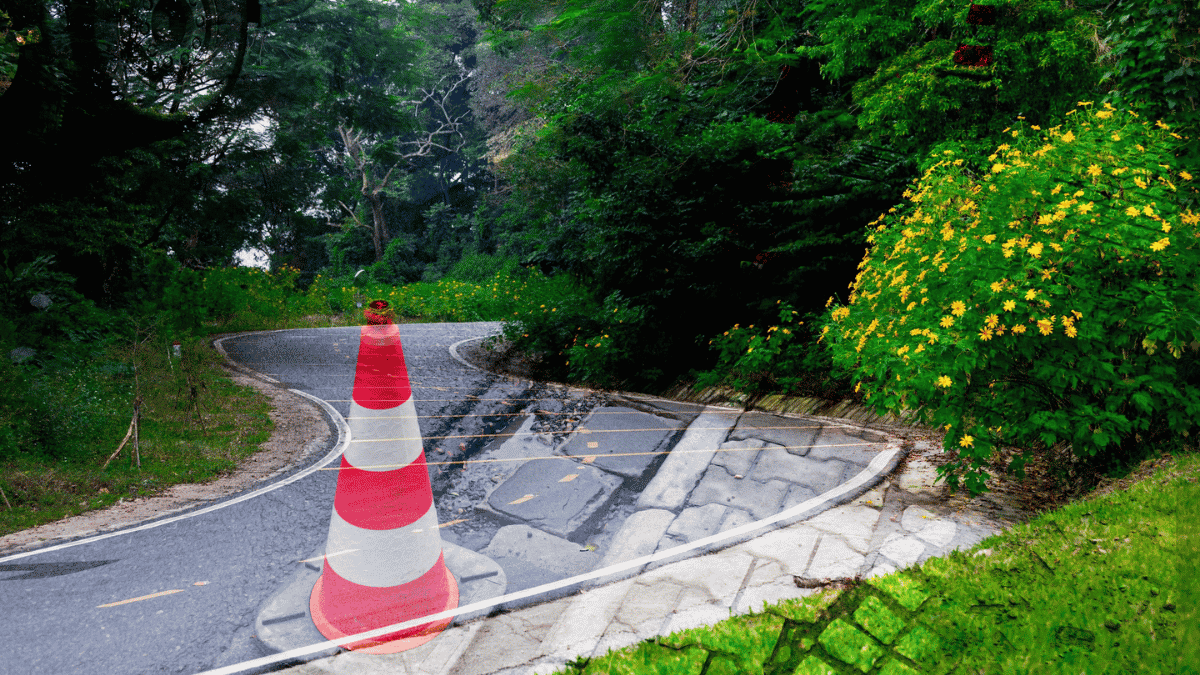
On the surface, using AI to detect potholes can feel slightly unnecessary. After all, potholes are not exactly hidden. Drivers see them. Cyclists definitely feel them. Councils already know they exist.
So why build AI to find something so obvious?
Because the problem is not spotting potholes. It is keeping up with them. Roads are constantly changing. Weather, traffic, heavy vehicles, and general wear mean new potholes can appear quickly, sometimes within days. By the time one is reported, logged, inspected, and scheduled for repair, others have already formed.
That gap between “it exists” and “it gets fixed” is where things start to break down.
This is where AI is starting to be used in practice. Instead of relying entirely on public reports or periodic inspections, some systems use cameras on vehicles, roadside sensors, or dashcam footage to continuously scan road surfaces. The AI can identify potential potholes, assess their severity, and feed that information directly into maintenance systems. It is not replacing human awareness. It is scaling it.
Rather than waiting for someone to notice and report a problem, the system is continuously collecting information, updating conditions, and building a broader picture of how roads are deteriorating over time. That changes the nature of the task. It shifts road maintenance from reactive to proactive. From “fix what gets reported” to “prioritise what is deteriorating fastest.”
And it raises a wider question about where AI is most useful. Not necessarily in solving problems humans cannot see, but in helping people keep up with problems they already understand, just at a scale that is difficult to manage manually. In that sense, AI spotting potholes is not really about potholes at all. It is about maintenance.
Image sources
- pothole-1200: ©Hajohoos from Getty Images Signature and ©Hồng Quang Official from Pexels via Canva.com